87,000 Oxycodone Pills, Fake Patients and Zelle Payments: Inside a Miami Drug Conspiracy
MIAMI, FL — October 19, 2026. The Miami oxycodone conspiracy involved more than 87,000 prescription pills, people posing as patients, a pharmacist who maintained a list of recruits, and payments made through Zelle, according to federal prosecutors.
On October 14, Jose Llerena, 49, of Miami, pleaded guilty to conspiracy to distribute a controlled substance. The U.S. Department of Justice announced the plea the following day, describing a scheme in which individuals obtained oxycodone prescriptions despite having no legitimate medical need for the drug.
The operation was not centered on a single illegal sale. According to prosecutors, it relied on a repeated process: recruit people, obtain prescriptions, fill them at participating pharmacies, collect the pills, and resell them.
At the center of that process was Llerena, whom federal authorities described as a patient recruiter.
How the Miami Oxycodone Conspiracy Used Fake Patients

According to court documents and statements made in court, Llerena paid individuals to pose as patients at clinics and doctors’ offices across South Florida.
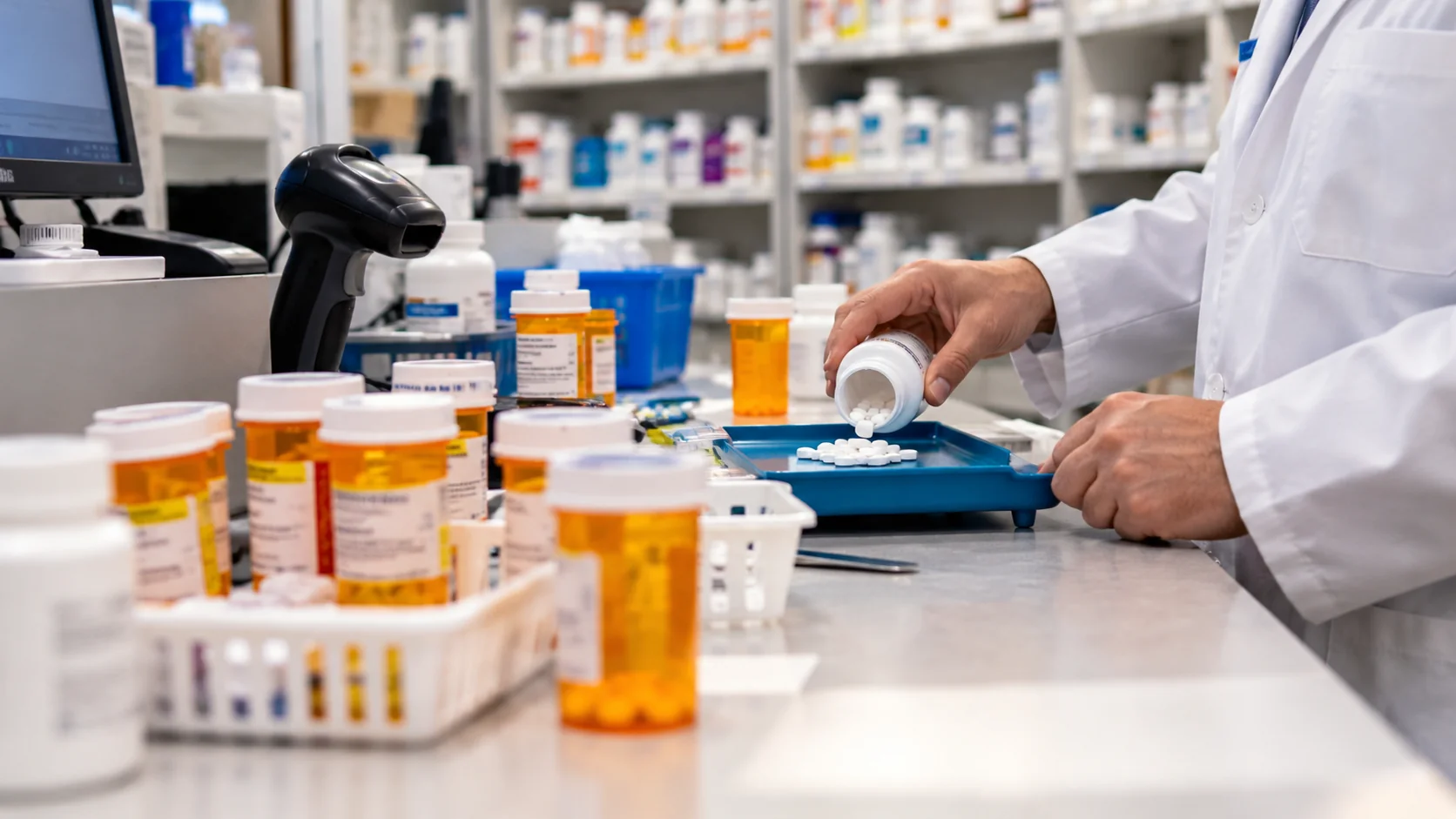
Those individuals obtained prescriptions for 30-milligram oxycodone pills, which were then taken to pharmacies operated by Olushola Yusuf.
Yusuf, a pharmacist and pharmacy owner, had already been convicted in a separate federal trial earlier in 2026 for illegally dispensing more than 300,000 oxycodone pills.
Prosecutors said Llerena brought recruited individuals and their prescriptions to Yusuf’s pharmacies, where the medication was dispensed.
One detail stood out in the government’s account: Yusuf maintained a list of Llerena’s recruits at her pharmacy.
The Justice Department included an image of a recovered recruit list in its October 15 announcement, offering a glimpse into the records investigators connected to the operation.
The process allegedly allowed prescription medication to pass through seemingly ordinary healthcare transactions before being diverted for illegal resale.
Cash at the Pharmacy, Zelle Payments to Recruits

The financial arrangements were another distinctive feature of the case.
Federal prosecutors said Llerena paid Yusuf cash for oxycodone at prices above market value.
He then paid the people he recruited for the pills they obtained, usually through Zelle.
Once the medication was collected, prosecutors said, Llerena resold the pills on the street.
That combination of cash payments, digital transfers, prescriptions and pharmacy records formed part of the government’s description of how the operation worked.
Although the conspiracy involved more than 87,000 oxycodone pills, the Department of Justice attributed 3,735 pills personally to Llerena.
The distinction is significant: the larger number describes the scope of the conspiracy, while the smaller figure identifies the quantity prosecutors said Llerena personally distributed.
A Pharmacist's Earlier Conviction Connects to the Case
Llerena’s guilty plea is one development in a broader series of federal proceedings involving illegal oxycodone distribution in South Florida.
Earlier in 2026, a federal jury convicted Olushola Yusuf for illegally dispensing more than 300,000 oxycodone 30-milligram pills.
Her connection to Llerena’s case shows how prosecutors traced the alleged operation through different participants rather than focusing only on people selling drugs directly to customers.
In the October announcement, authorities described a relationship in which Llerena supplied recruited patients and prescriptions, while Yusuf’s pharmacies served as the locations where the medication was obtained.
The government has not described every person involved in the broader operation as having the same responsibilities.
Instead, the reported conduct highlights how a prescription drug distribution network can involve several distinct roles, from recruitment and dispensing to payment collection and resale.
Federal Investigators Followed the Prescription Trail
The case was investigated by the Drug Enforcement Administration, the FBI and the Department of Health and Human Services Office of Inspector General.
Their involvement reflects the unusual setting of the alleged distribution activity.
Unlike an investigation focused exclusively on drugs sold outside the healthcare system, this case involved prescriptions, pharmacies and people presented as patients.
Federal investigators examined conduct that prosecutors said crossed the line between legitimate medical dispensing and unlawful drug distribution.
U.S. Attorney Jason A. Reding Quiñones described the operation as one that exploited the healthcare system to traffic opioids.
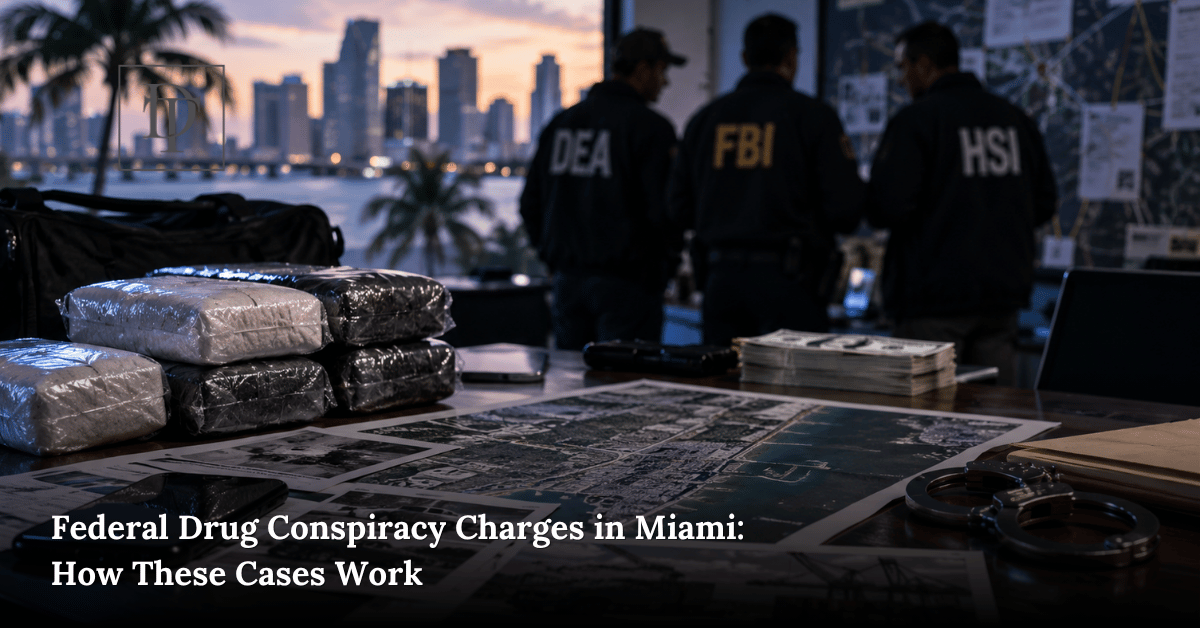
The prosecution also illustrates how drug investigations in Miami can move into federal court when authorities identify alleged violations of federal controlled-substance laws.
For people facing similar allegations, the distinction between state and federal proceedings can be consequential. The Drug Crimes and Narcotic Offenses practice area at Dustin Tischler Law provides information about the types of narcotics charges that can arise in South Florida.
What Happens Next for Jose Llerena?
Llerena has pleaded guilty, but his sentence has not yet been determined.
As of the Justice Department’s October 15 announcement, no sentencing date had been set.
He faces a maximum statutory penalty of 20 years in federal prison.
That figure represents the maximum penalty authorized for the offense, not a sentence already imposed.
A federal judge will determine the sentence after considering the applicable sentencing guidelines and other factors required by law.
The proceedings are taking place in the Southern District of Florida under case number 26-cr-60247.
A Miami Drug Case That Extended Beyond the Street
The most unusual aspect of the case may be how ordinary some of its reported components appeared in isolation.
There were patients visiting medical offices, prescriptions presented at pharmacies, payments transferred through a widely used digital service and medication dispensed in familiar retail settings.
According to prosecutors, those pieces were connected through an unlawful distribution scheme.
The October guilty plea adds another development to a federal investigation that has already produced a pharmacist’s conviction and exposed the alleged diversion of tens of thousands of prescription opioid pills.
For now, the next major development will be Llerena’s sentencing.
The broader case remains an example of how federal authorities investigate prescription opioid distribution networks operating through healthcare-related businesses in South Florida.
Sources
This report is based on publicly released Department of Justice information. It is provided for informational purposes and does not constitute legal advice. Dustin Tischler Law is not identified as representing any defendant in this case.
Facing a Federal Drug Conspiracy Investigation in Miami?
Federal drug investigations can involve prescription records, pharmacy transactions, electronic communications, financial transfers, surveillance, witness statements, and conspiracy allegations involving multiple individuals.
In cases involving prescription opioids such as oxycodone, investigators may examine how medications were obtained, whether prescriptions were issued for legitimate medical purposes, and how controlled substances moved between patients, pharmacies, and alleged distributors.
Understanding the quantity of drugs involved is only part of the picture.
A person’s alleged role in the operation, their knowledge of the activity, communications with other participants, and the evidence connecting them to a broader distribution network can all become important.
Dustin Tischler Law represents individuals facing drug crimes and narcotic offenses in Miami and South Florida, including allegations involving prescription drug distribution, drug trafficking, controlled substances, and federal narcotics conspiracies.
If federal investigators have contacted you, searched your property, seized electronic devices, requested records, or you believe you may be under investigation for a drug-related offense, seeking legal advice early can help you understand the allegations, evaluate your options, and protect your rights.
Contact Dustin Tischler Law to discuss your situation.