FARC Dissident Leader Extradited to Miami Over Cocaine Trafficking Charges

Willinton Henao Gutierrez, known as “El Mocho Olmedo,” was brought from Colombia to South Florida to face federal charges involving an alleged international cocaine trafficking and money laundering conspiracy.
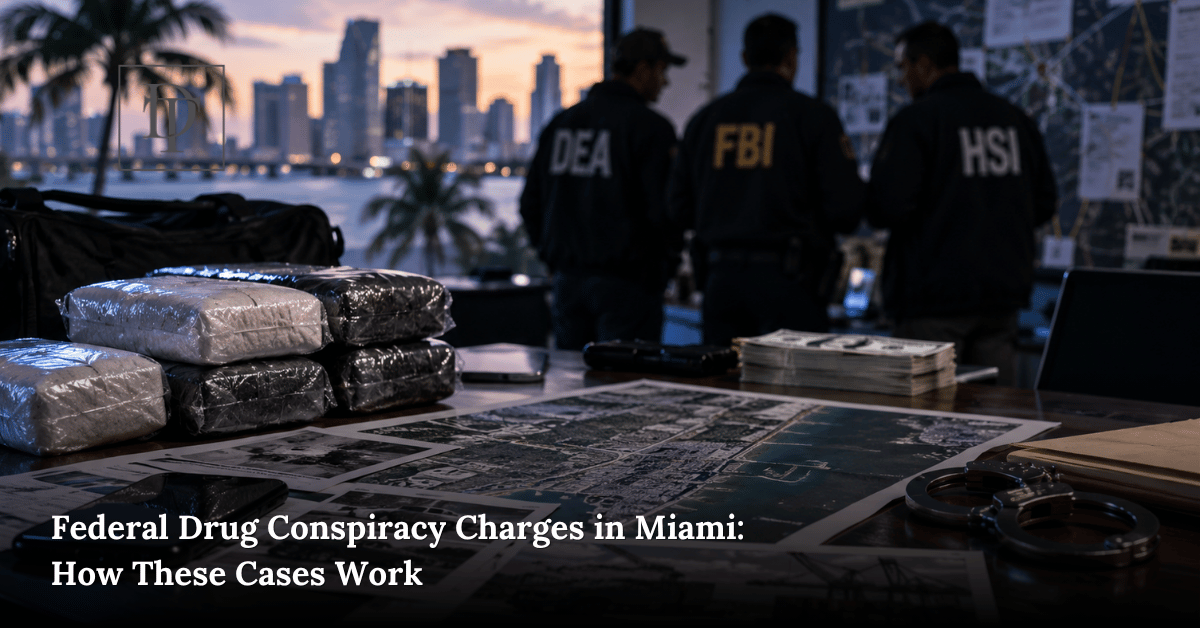
MIAMI, FL — October 26, 2026. A FARC leader extradited to Miami is facing federal charges tied to an alleged cocaine trafficking operation spanning Colombia and South Florida, including Miami-Dade and Broward counties.
Willinton Henao Gutierrez, 45, also known as “El Mocho Olmedo,” was extradited from Colombia on October 22. The U.S. Department of Justice announced his transfer the following day.
Federal authorities identify Henao Gutierrez as the leader of Frente 33, a faction of the FARC dissident group Revolutionary Armed Forces of Colombia – People’s Army (FARC-EP), which the U.S. government has designated as a foreign terrorist organization.
The charges against him concern an alleged international drug trafficking operation involving cocaine and financial transactions intended to support the drug trade.
His extradition brings a case involving conduct allegedly carried out in two countries into the federal court system in South Florida.
Who Is “El Mocho Olmedo,” the FARC Dissident Leader Named in the Case?
According to the Justice Department, Henao Gutierrez led Frente 33, part of the FARC-EP dissident organization.
The federal allegations focus on activities prosecutors say occurred between September 2021 and August 2022.
During that period, Henao Gutierrez and other individuals allegedly participated in an international cocaine trafficking operation involving five kilograms or more of cocaine.
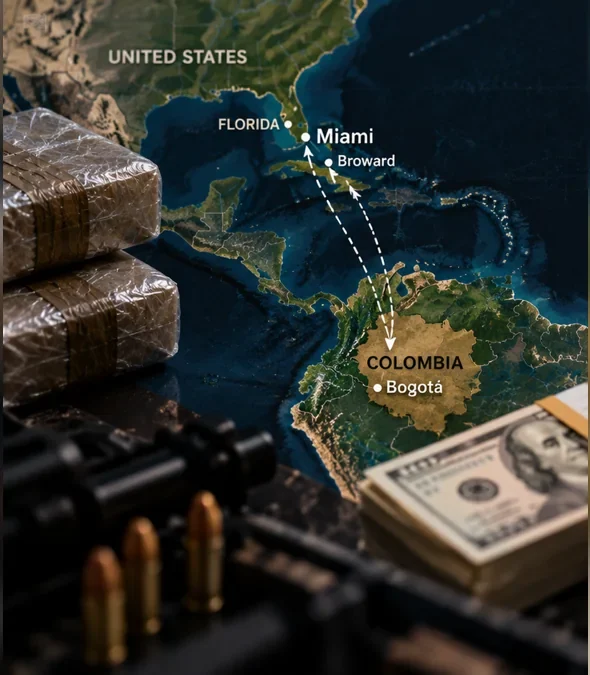
The government says the conspiracy operated in Colombia and South Florida, specifically identifying Miami-Dade and Broward counties.
The DOJ announcement does not provide a detailed account of individual shipments, seizures or specific transportation routes. It identifies the alleged international conspiracy and the charges brought against the defendants.
Henao Gutierrez has not been convicted of the offenses described in the October announcement.
How the FARC Leader Extradited to Miami Became Part of a Federal Drug Case
The October 22 extradition followed coordination between American and Colombian authorities.
The Justice Department’s Judicial Attaché in Bogotá and its Office of International Affairs worked to secure Henao Gutierrez’s arrest and extradition.
The department also acknowledged assistance from the Cuerpo Técnico de Investigación of Colombia’s Attorney General’s Office.
His transfer placed him within the jurisdiction of the Southern District of Florida, where the federal case is pending.
The charges involve more than alleged drug distribution within Colombia.
Federal prosecutors contend that the operation was connected to the intended importation of cocaine into the United States, giving the case a direct connection to American drug enforcement.
The government’s allegations also identify activity in Miami-Dade and Broward counties.
That South Florida connection is central to the local significance of the prosecution.
Cocaine Trafficking and Money Laundering Charges Filed in South Florida
Henao Gutierrez faces four federal charges described in the Justice Department’s announcement:
Conspiracy to import cocaine into the United States.
Conspiracy to distribute cocaine knowing, or having reasonable cause to believe, that it would be unlawfully imported into the United States.
Conspiracy to commit money laundering.
Attempted money laundering.
Prosecutors allege that Henao Gutierrez and his co-conspirators agreed to transfer money from the United States to, and through, locations outside the country to promote the manufacture, importation, sale and distribution of controlled substances.
That allegation connects the suspected cocaine operation with an alleged effort to move funds across international borders.
The October announcement does not specify a total amount of money allegedly laundered.
The federal case also names Jennifer Tapiero, Heyner Raul Sandoval Salazar and Wilder Antonio Sanchez Duarte as co-defendants.
The Justice Department did not provide detailed individual allegations about those three defendants in its October 23 release.
Why Miami-Dade and Broward Appear in the Alleged Conspiracy
Although the extradition took place between Colombia and the United States, the federal allegations specifically connect the case to South Florida.
According to prosecutors, the suspected trafficking conspiracy operated in Colombia and in Miami-Dade and Broward counties.
The case illustrates how an investigation involving activity outside the United States can become a federal prosecution in Miami when authorities allege conduct connected to U.S. drug importation or distribution.
It also highlights the international dimension of some federal narcotics investigations in South Florida.
Cases involving cocaine importation, distribution and related conspiracies fall within the broader category of federal drug offenses. Dustin Tischler Law addresses these types of allegations through its Drug Crimes and Narcotic Offenses practice area in Miami.
In this prosecution, the specific allegations concern both the movement of cocaine and the movement of funds allegedly intended to support the drug operation.
DEA Offices in Miami and Bogotá Are Investigating
The Drug Enforcement Administration’s Miami Field Division and Bogotá Country Office are investigating the case.
Their involvement reflects the cross-border nature of the alleged conduct.
The Justice Department identified U.S. Attorney Jason A. Reding Quiñones and DEA Miami Special Agent in Charge Miles Aley as the officials announcing the extradition.
Assistant U.S. Attorney Yara Dodin is prosecuting the case.
The prosecution is pending in the Southern District of Florida under case number 23-cr-20070.
The DOJ announcement does not identify a trial date or report a conviction of Henao Gutierrez.
What Penalties Could Henao Gutierrez Face?
If convicted, Henao Gutierrez faces substantial federal penalties.
According to the Department of Justice, each of the two cocaine trafficking conspiracy charges carries a mandatory minimum sentence of 10 years and a maximum sentence of life imprisonment.
Each money laundering charge carries a maximum statutory penalty of 20 years.
These figures describe the potential penalties authorized by federal law. They are not sentences already imposed.
Any eventual sentence would be determined by a federal district judge after consideration of the applicable U.S. Sentencing Guidelines and other statutory factors.
As of the October 23 announcement, Henao Gutierrez was facing charges, not a finding of guilt.
An International Investigation Now Before a South Florida Federal Court
The extradition of Henao Gutierrez marks a new stage in a federal case involving alleged cocaine trafficking and international financial transactions.
For federal authorities, the investigation spans Colombia and South Florida. For the defendant, the proceedings now move through the American federal criminal justice system.
The allegations involve a suspected international cocaine operation, an alleged agreement to transfer money in support of drug activity, and four defendants named in the federal prosecution.
What remains to be determined is whether prosecutors can prove the charges in court.
For now, the October 22 extradition is the latest publicly announced development in a case that links an alleged FARC dissident leader to federal drug trafficking and money laundering charges in Miami.
Sources
This article is based on publicly available Department of Justice information. All defendants are presumed innocent unless proven guilty in court. This content is for informational purposes only and does not constitute legal advice. Dustin Tischler Law is not identified as representing any defendant in this case.
Facing a Federal Drug Trafficking or Narcotics Conspiracy Investigation in Miami?

Federal drug investigations can involve allegations of cocaine importation, international distribution networks, communications between alleged participants, financial transactions, surveillance, and evidence collected across multiple jurisdictions.
When an investigation crosses international borders, the government may rely on information obtained through cooperation between U.S. and foreign authorities.
The alleged role of each participant, the evidence connecting that person to a conspiracy, and the government’s interpretation of communications and financial activity can become important issues.
Dustin Tischler Law represents individuals facing drug crimes and narcotic offenses in Miami and South Florida, including federal allegations involving drug trafficking, cocaine distribution, importation and narcotics conspiracies.
If federal agents have contacted you, requested records, executed a search warrant, or you believe you may be the subject of a federal drug investigation, obtaining legal advice early can help you understand the allegations and protect your rights.
Contact Dustin Tischler Law to discuss your situation.